





Have you decided to upgrade and need help installing your new Rinnai tankless water heater? Get clear answers and expert guidance.
At Impetus Plumbing, we’re Rinnai tankless installation experts. While this guide explains the DIY process step by step, we strongly recommend hiring a licensed plumber and gas fitter to ensure safety, code compliance, and full warranty protection.
Get your Rinnai tankless water heater installed by the pros!
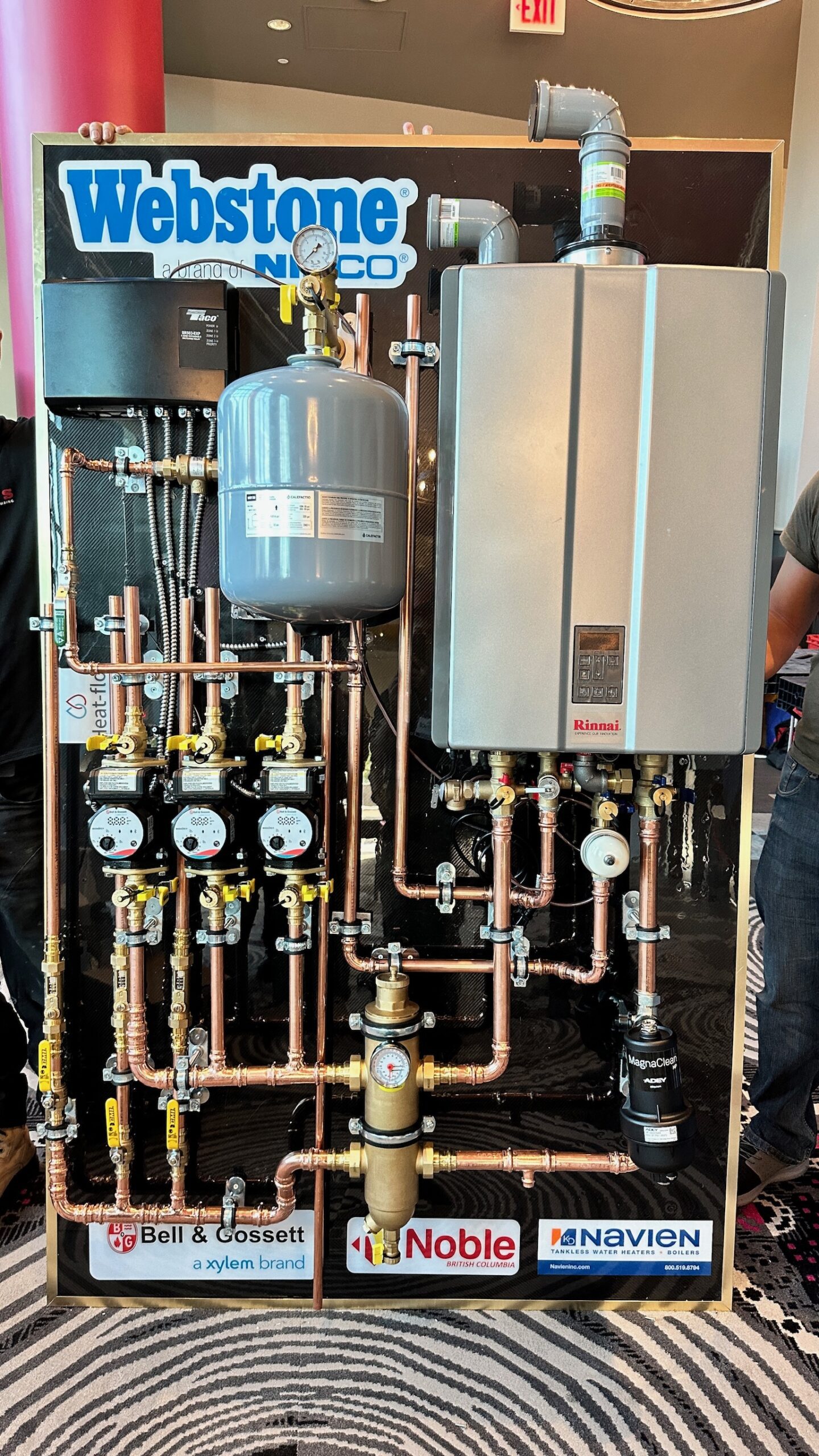
Why Choose a Rinnai Tankless Water Heater
Rinnai tankless water heaters are known for dependable performance, energy efficiency, and long service life. Many residential models use advanced condensing tankless water heaters now, which capture extra heat from exhaust gases to improve efficiency and save energy. Unlike traditional natural gas tanks, Rinnai systems heat water only when you need it, giving you endless hot water without standby energy loss.
You also get a compact, wall-mounted design that saves space, precise temperature control, and quiet operation. With proper installation and registration, Rinnai offers a great manufacturer’s warranty length, including up to 15 years on the heat exchangers for many models.
What You’ll Need Before Installation
Before installing a Rinnai tankless water heater, make sure you have all the required materials, tools, and approvals ready. Proper preparation helps prevent delays, safety issues, and inspection problems.
Required Materials
- Rinnai installation and operation manual
- Approved venting materials (PVC, CPVC, or polypropylene, depending on model)
- Intake and exhaust terminations
- Properly sized gas piping
- Gas shutoff valve with sediment trap
- Hot and cold isolation/service valves
- Pressure relief valve
- Condensate drain line and neutralizer (for condensing units)
- Mounting bracket and hardware
- Dedicated 120V grounded outlet
Required Tools
- Pipe wrenches and pipe cutters
- Drill and level
- Manometer (for gas pressure testing)
- Leak detection solution
- Combustion analyzer (strongly recommended)
Permits & Code Requirements
- Plumbing permit
- Gas permit
- Compliance with all local plumbing and gas codes
If you’d rather have it handled professionally, trust Impetus Plumbing’s Rinnai experts.
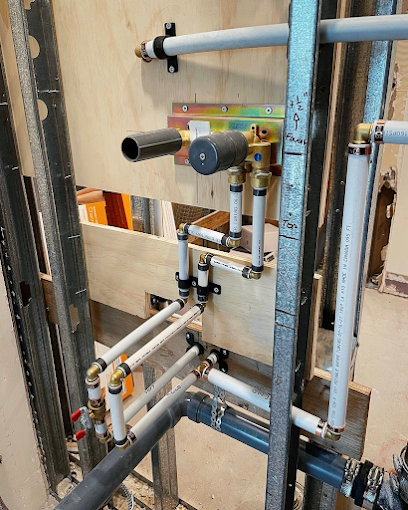
Step-by-Step Rinnai Tankless Water Heater Installation
1. Choose the Installation Location
Install indoors and select a wall that:
- Supports the unit’s weight
- Meets clearance requirements
- Allows proper vent routing
- Provides access for servicing
Follow all spacing and vent termination clearances listed in the manual.
- Mount the Unit
- Secure the mounting bracket to studs or a solid backing.
- Hang the unit carefully.
- Use a level to ensure it sits straight.
Improper mounting can cause vibration and long-term issues.
- Install and Size the Gas Line
This is the most critical step.
- Confirm natural gas or propane type.
- Size the gas line according to the unit’s BTU rating.
- Install a shutoff valve and sediment trap.
- Test the inlet gas pressure with a manometer.
Undersized gas lines are the #1 cause of tankless performance problems. If you are unsure about gas sizing, stop and call a licensed gas fitter.
- Connect the Water Lines
- Install isolation/service valves on both hot and cold lines.
- Connect cold to inlet, hot to outlet.
- Flush pipes before final connection to remove debris.
- Check for leaks.
Clean water flow is essential for proper operation.
5. Install the Condensate Drain (Condensing Models)
Condensing Rinnai units produce acidic condensate.
- Attach the drain line to the condensate port.
- Ensure proper downward slope.
- Install a neutralizer if required by local code.
Improper drainage can damage internal components.
- Install Venting
Follow Rinnai’s venting instructions exactly.
- Use only approved materials.
- Stay within the maximum vent length.
- Maintain the required slope.
- Respect termination clearances.
Incorrect venting can create dangerous exhaust conditions.
- Connect Power
- Plug into a dedicated 120V, 60Hz grounded outlet.
- Do NOT use 240V.
- Avoid shared circuits.
- Startup Procedure
- Turn on the water supply.
- Purge air from lines.
- Turn on the gas.
- Power up the unit.
- Set temperature within manufacturer limits.
Check the display for error codes and confirm stable hot water delivery.
If you see errors you don’t understand, stop and call for professional installation or help right away.
Post-Installation Tips
After the installation, it’s recommended to protect your home and investment by following these tips:
- Always check the manual for references.
- Check all the connections, including water, gas, venting, electrical, and condensate lines, focusing on leaks and loose-fitting.
- Run the unit for ten minutes, then shut it down to clean the cold water and recirculation filters.
- Perform a stress test to confirm stable temperature, pressure, and proper flow by running hot water at several fixtures at the same time.
- Watch the control panel for error codes during the first full heat cycle.
- Avoid extreme settings that strain the heat exchanger.
- Register your warranty
- Schedule annual flushing and quality maintenance
- Clean the inlet water filter regularly
- Watch for error codes
Rinnai recommends yearly service to maintain your unit and for maximum warranty coverage. Give Impetus Plumbing a call to schedule your tankless water heater maintenance.
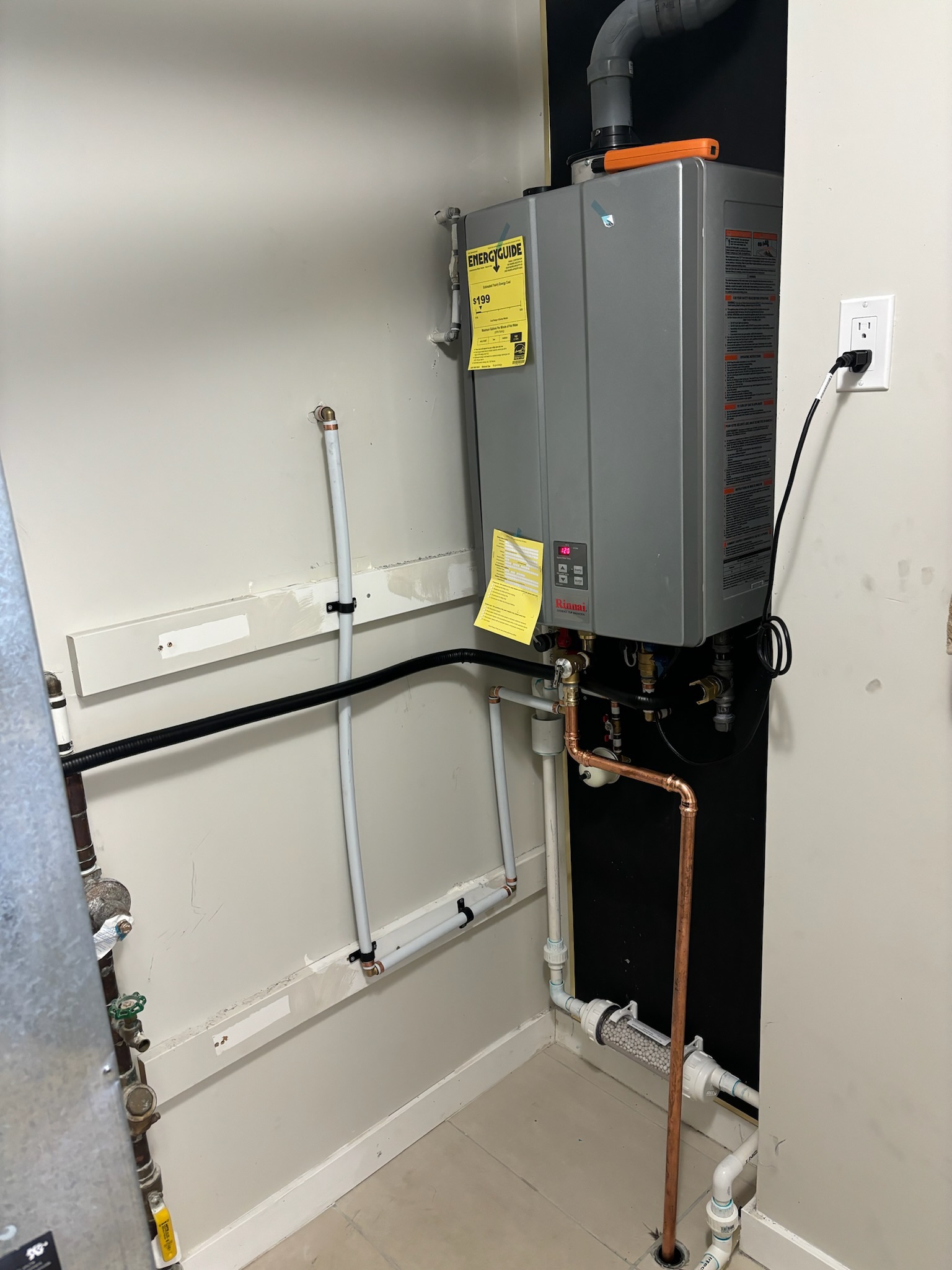
DIY vs. Professional Rinnai Installation
Installing a Rinnai tankless water heater yourself can save upfront costs, but only if done correctly.
Professional installation provides:
- Proper gas sizing
- Code compliance
- Safe venting
- Combustion testing
- Warranty protection
- Peace of mind
When it comes to gas appliances, safety matters. Schedule your professional installation today.
FAQs
Can a Rinnai Tankless Water Heater be converted to a different gas type?
Most Rinnai residential tankless water heaters are factory-built for either natural gas or propane and cannot be field converted by simply changing an orifice. Some commercial models may allow conversion kits, but this depends on the model. Always check the manual and rating plate before purchase.
What is temperature rise?
Temperature rise is the difference between the incoming cold water temperature and your desired hot water output temperature. For example, if groundwater enters at 10°C and you want 49°C water, the unit must provide a 39°C temperature rise. Higher temperature rise reduces the maximum flow rate.
Can I use a recirculation line with Rinnai Tankless Water Heaters?
Yes, many Rinnai models support recirculation systems, and some include built-in recirculation controls. This helps deliver faster hot water to fixtures and reduces wait time. Proper design, pump sizing, and programming are important to maintain efficiency and prevent short cycling.
What is temperature rise?
Temperature rise refers to how much the unit must heat incoming water to reach your set temperature. Colder climates require a larger temperature rise, which can reduce gallons per minute output. Always size your Rinnai system based on both flow rate and expected temperature rise.
Can I install a Rinnai tankless water heater myself?
While technically it is possible, Rinnai installation involves precise gas sizing, venting, electrical setup, permits, and code compliance. Mistakes can cause safety hazards or void certain warranties. For proper installation, Rinnai strongly recommends installation by a licensed plumber or gas fitter like Impetus Plumbing & Heating.